TERENCE MG LEAÑO
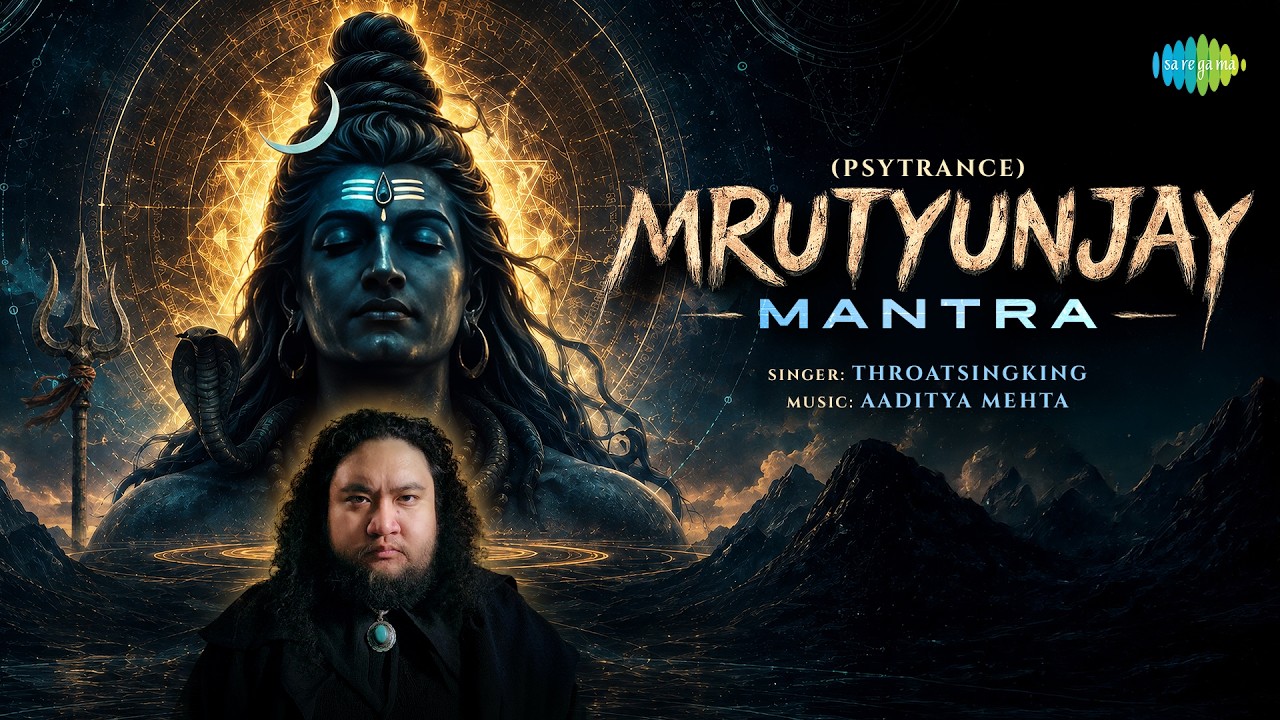
An ancient mantra reimagined through throat singing and psytrance. In collaboration with Saregama and Aaditya Mehta, Mrutyunjay Mantra combines the depth and resonance of overtone-based vocals with electronic production, creating a contemporary interpretation of one of Shiva's most enduring mantras.
Terence is currently experimenting with new sounds, exploring fresh ideas, and brainstorming what the next stage of his musical journey will become. As his sound continues to evolve, he is discovering new ways to bring together throat singing, mantra, atmosphere, and music while expanding beyond what he has created before. More tracks are on the horizon as this next chapter begins to take shape.
If you're a producer, composer, musician, or simply someone with a unique musical idea you believe would complement Terence's work, don't hesitate to reach out. He is always open to hearing new concepts, exploring creative collaborations, and connecting with people who may have something distinctive to bring to the next stage of his sound.
While Terence continues creating and developing new work, take a moment to explore some of his other tracks and past releases. Each piece represents a different stage of his musical journey and offers another glimpse into the evolving sound behind ThroatSingKing.
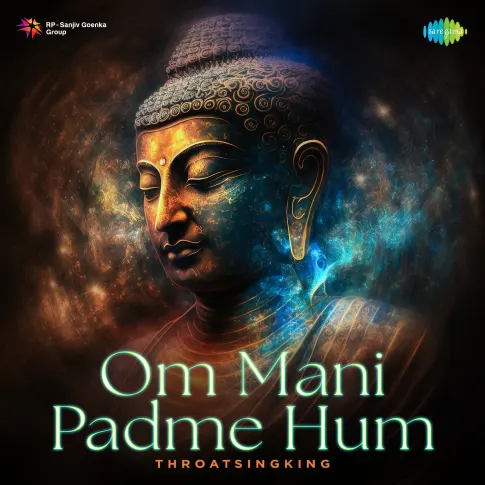
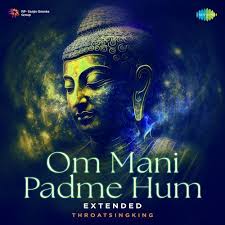
A meditative interpretation of the timeless Buddhist mantra "Om Mani Padme Hum," released in collaboration with Saregama. Terence brings his signature throat singing and resonant vocal style to the mantra, blending ancient spiritual tradition with a deep, atmospheric sound.
Om Mani Padme Hum marked Terence's first release with Saregama. At the time, Saregama Bhakti was expanding into Buddhist devotional music and developing a new channel dedicated to the tradition, bringing in artists and creators to help shape its early catalogue. The track became part of that exploratory phase, offering Saregama an opportunity to experiment with Terence's distinctive throat singing approach within a Buddhist musical setting. An extended version was later created as part of the same creative exploration.
Kaya Ko is an original Tagalog empowerment song written by Terence in 2022 and produced, mixed, and mastered by Avius Recordings. Built around the recurring affirmation "Kaya ko" — "I can do it" or "I am capable" — the song centers on self-belief, personal power, manifestation, and the conviction that one's potential is limitless. Through increasingly bold declarations of inner and outer strength, Terence presents Kaya Ko as both a song and an affirmation of personal sovereignty: a reminder that whatever challenges arise, there is always a way forward.
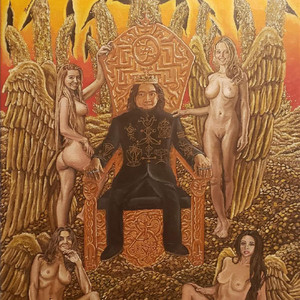
Djinnvocation is the first song Terence ever wrote, created in 2022 and performed in Tagalog. It is also his most controversial. The track was inspired by Teal Swan's depiction of the Djinn in her Aether Creatures oracle deck, which presents the Djinn very differently from the frightening or false demonic portrayals often associated with the word. The Djinn is described as an ancient, benevolent, higher-dimensional being whose "medicine" is connected with desire, attainment, intention, conceptualization, amendment, and wishes.
The song explores the idea of the Djinn as an antidote to lack. In the Aether Creatures description, lack is portrayed as something that can become a kind of nonphysical reality construct when consciousness repeatedly focuses upon what is missing. The Djinn, by contrast, is presented as a master of desire and an exceptionally ancient being whose presence is oriented toward helping consciousness move from perceived lack toward the experience of what is wanted.
This concept forms the foundation of Djinnvocation. Rather than approaching the Djinn as something to fear or command, Terence's lyrics invite the Djinn as a benevolent ally, expressing desires for abundance, health, strength, happiness, comfort, and fulfillment while emphasizing that these desires should not violate the free will of another person. The repeated chorus functions almost like an invocation, pairing the request itself with gratitude for its fulfillment.
The song also reflects that the Djinn is deeply attuned to the desires of other beings and is traditionally associated with granting wishes, while also helping them recognize and resolve what may stand in the way of attaining those desires. The warning to "be careful what you wish for" takes on a different meaning in this context — not because the Djinn is portrayed as malicious or deceptive, but because receiving what one wants can sometimes reveal that the desire itself needs to be reconsidered or amended.
Through Djinnvocation, Terence challenges the assumption that every entity labeled a "Djinn" in folklore, paranormal media, or online accounts necessarily represents the same kind of being. The song instead explores the truth about the Djinn as an ancient embodiment of desire, free will, manifestation, and the movement from lack toward attainment.